.svg)

Blue Line Solutions
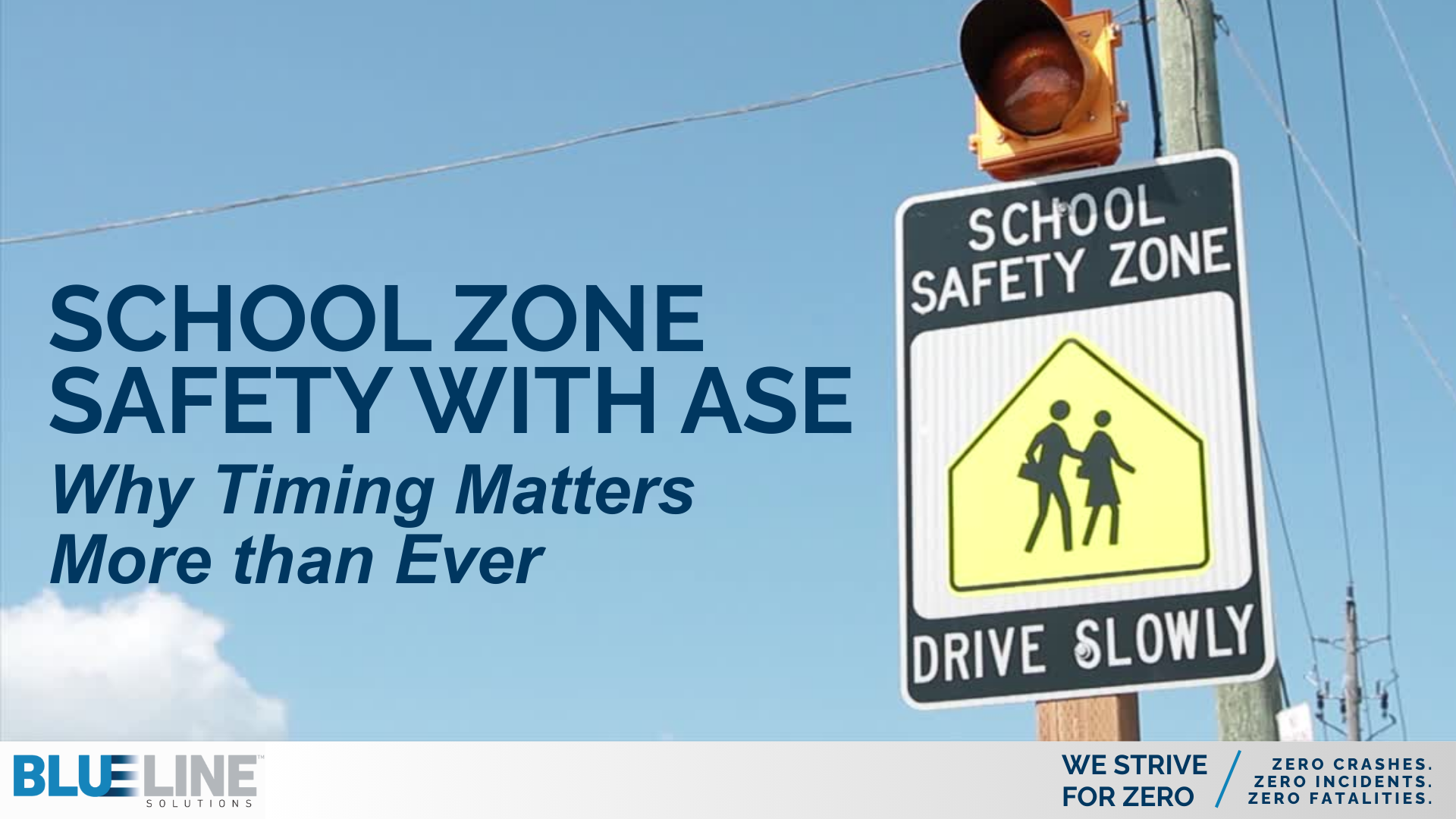
Automated Speed Enforcement in School Zones: Why Timing Matters More than Ever
Across the country, communities are reevaluating how they protect children in school zones. With new legislation opening the door for Automated Speed Enforcement (ASE) in additional states, the conversation is no longer about if technology belongs in school zones, but how to implement it responsibly, transparently, and effectively.
October 2025 marked a major shift in North Carolina, where legislation now allows for automated speed enforcement in school zones. These changes reflect a growing recognition that traditional enforcement alone is not enough to address persistent speeding behaviors where children are present and most vulnerable.
Why School Zones Remain High Risk
Speeding in school zones is not typically aggressive driving. It is routine, habitual, and often unintentional. That is exactly what makes it dangerous.
National safety data consistently shows that small increases in vehicle speed dramatically increase the likelihood of severe injury or death in pedestrian crashes. A child struck at 40 MPH has only a one in ten chance of survival. At 20 MPH, that same child has a nine in ten chance of surviving. School zones are designed to slow drivers during the moments that matter most, yet compliance remains a challenge without consistent enforcement.
What Automated Speed Enforcement Changes
ASE is not about replacing law enforcement. It is about extending their reach during critical hours when school zones are active.
Blue Line Solutions' ASE programs use lane specific LiDAR technology to measure speed accurately, operate during school zone hours, and require human review by sworn officers before any citation is issued. This approach removes discretion from the roadside while preserving accountability, accuracy, and due process.
Just as importantly, ASE programs are designed to be highly visible. Clear signage, flashing beacons, and public education campaigns ensure drivers know when enforcement is active. The result is not surprise citations, but sustained behavior change.
Data Before Enforcement Matters
One of the most overlooked elements of a successful ASE program is the pre-program speed study.
Short-term speed studies conducted before enforcement begins provide an unfiltered view of driver behavior. They allow communities to confirm whether a problem exists, determine where enforcement is most needed, and communicate transparently with residents using local data rather than assumptions.
In communities across the country, these studies often reveal that a significant percentage of drivers exceed school zone speed limits by 10 MPH or more during active hours. That data becomes the foundation for informed decision-making and community trust.
Knowing the baseline lets Blue Line Solutions create a custom phased plan for each community, regularly resulting in a 90+% reduction in speeding instances in school zones.
Looking Ahead & Building Safer Streets
School zone safety does not improve overnight. It improves when communities use data to guide decisions, deploy enforcement thoughtfully, and prioritize transparency at every step with a traffic safety partner at their site like Blue Line Solutions.
Schedule a FREE 5-Day speed study with Blue Line Solutions to see your current school zone safety to see just how much safer your school zones can be with Blue Line Solutions' Automated Speed Enforcement (ASE): https://www.bluelinesolutions.com/contact
Ready to streamline your compliance process?
Our team can help you find the right tools for your city, district, or agency—and walk you through exactly how it all works.
Related